
How Much Does Garage Door Cable Replacement Cost?
Garage door cable replacement cost in Arlington starts at $95; keep a door with a damaged cable stationary. Call (571) 747-1469 for 24/7 service and a free on-site estimate.
Our Starting Prices in Arlington
| Service | Price |
|---|---|
| Garage door repair | From $69 |
| Tune-up | From $29 |
| Springs | From $55, plus labor from $25 |
| Door replacement | From $650, plus labor from $25 |
| Opener repair | From $45 |
| Cable replacement | From $95 |
| Off-track door | From $99 |
| Track repair | From $75 |
| Panel replacement | From $180 |
| Roller replacement | From $89 |
| Bottom seal replacement | From $69 |
| New opener installation | From $350 |
Need help now? (571) 747-1469
Garage Door Cable Replacement Cost Starts With Checking the Whole Lifting System
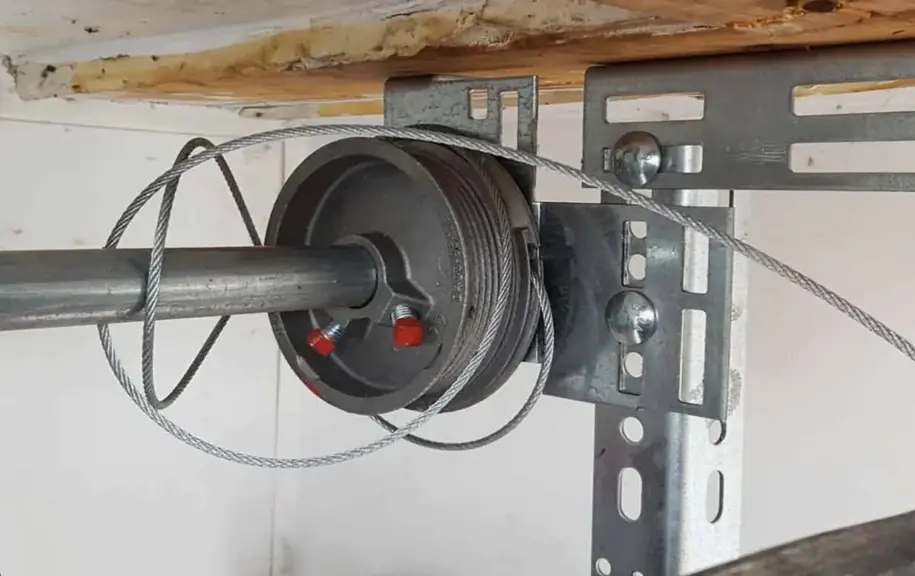
A replacement cable needs to match the door’s lifting system. The inspection should cover the damaged cable, the cable on the opposite side, attachment points, and the parts that guide or wind the cable. A loose cable can be the visible result of another problem, so replacing it without checking the surrounding hardware can leave the cause unresolved.
For a frayed, broken, or displaced cable, arrange our garage door cable repair service before operating the door again. We come to your home or business to check the door. Before approving work, ask for an estimate that identifies the cable work, any related repairs, and the total charge.
Which Cable Warning Signs Mean the Door Should Stay Still?
- Frayed strands along a cable — Visible strands sticking out of a cable indicate damage. Observe from a distance; running a hand along the cable can cause cuts and brings you close to loaded hardware.
- A cable hanging loose — A loose loop or hanging cable needs inspection before the next door cycle. Slack alone does not establish whether the cable needs replacement or another lifting component needs repair.
- One side sitting lower — An uneven bottom edge can indicate unequal support. Keep the opening clear and leave the door in its current position instead of trying to straighten it with the opener.
- A cable outside its normal path — A cable lying beside a winding drum or pulley needs professional attention. Do not reach toward it or attempt to place it back while the lifting system is under tension.
Does the Door Need Cable Replacement, Track Repair, or Another Repair?
Cable replacement for damaged cable
Broken strands, a snapped cable, or damaged cable ends point toward replacement. The replacement must suit the door and its lifting hardware; appearance alone does not establish the correct part.
Off-track repair for displaced rollers
A roller outside the track changes the repair scope. The technician needs to assess the door’s position and support before restoring its travel and checking the cables.
Track repair for damaged guidance
A bent or displaced track can interfere with door movement. Cable work alone will not correct a track that prevents the rollers from traveling properly.
Opener diagnosis for a separate operating fault
An opener that stops or strains does not establish that the motor needs replacement. The door’s mechanical condition needs assessment before deciding whether the opener itself needs repair.
Need help now? (571) 747-1469
What Do Three Common Cable-Related Repair Situations Start At?
Cable replacement starts at $95. This starting price applies when replacement is the required service, such as a visibly frayed or broken cable. The inspection establishes whether the surrounding lifting hardware also needs attention.
Off-track door repair starts at $99. This is relevant when a cable problem accompanies rollers leaving the track or a door sitting out of position. The estimate should identify the work required to restore the door’s position and address the cable problem.
Track repair starts at $75. This applies when the track itself needs repair, including damage that interferes with roller travel. Compare the proposed scope with our prices, and have the estimate identify every required service before approving the total.
Eight Safe Steps Before a Garage Door Cable Inspection
- Arrange the cable inspection first — Call us before attempting to move a door with a broken or displaced cable. Check that the service request includes a cable inspection and notes whether the door is open, closed, or crooked.
- Stop using the opener controls — Set the remote aside and tell everyone in the household to leave the wall button alone. Check that nobody is preparing to operate the door while you wait.
- Keep the door opening clear — Keep people and pets away from the opening and the area beneath the door. Check the boundary from a safe position without walking under a raised or uneven door.
- Leave the emergency release handle alone — Do not pull the release cord on a raised, crooked, or cable-damaged door. Check that other household members know to leave the handle untouched too.
- Observe the cables from floor level — Use a flashlight from outside the door’s travel area to look for hanging cable or visible fraying. Check only what you can see without touching hardware, climbing, or reaching behind the track.
- Take photographs from a safe position — Use your phone’s zoom to photograph the door’s position and visible cable damage. Check the images for clarity instead of moving closer to tensioned parts.
- Leave cable attachments and spring hardware untouched — Keep wrenches, pliers, and other tools away from cables, winding drums, pulleys, springs, and bottom brackets. Check that nobody has begun loosening fasteners or trying to rewind a cable.
- Prepare a clear approach for the technician — Move small obstacles only where you can reach them without entering the door’s path. Check that the technician can approach the garage through a safe entrance without requiring you to move the damaged door.
What Can Change the Final Cable Replacement Bill?
The final bill reflects the work the inspection establishes. A cable-only replacement has a different scope from a door that also has damaged tracks, displaced rollers, or faulty lifting hardware. Ask the technician to identify the damaged parts and separate each proposed repair on the estimate.
Cable length, attachment style, and lifting-system design determine the replacement part. An apparently similar cable is not enough to establish compatibility. Ask which cable the door requires and whether the estimate covers one cable or both.
Before approving additional work, ask what visible damage or operating fault makes it necessary. A clear estimate connects each charge to a specific repair. That gives you a useful basis for deciding what to authorize.
Need help now? (571) 747-1469
Does a Door That Won’t Close Always Need Cable Replacement?
A door that will not close does not, by itself, establish cable damage. Visible fraying, a hanging cable, or an uneven door makes the lifting system a priority for inspection. Keep the controls unused when those signs appear.
A closing problem can also involve sensors, an obstruction, or the opener. Our guide to why a garage door won’t close covers those separate causes. Keep cable replacement tied to the inspection findings instead of treating every closing failure as a cable repair.
What Should Be Checked Before Using the Door After Cable Replacement?
Before returning the door to regular use, ask the technician to demonstrate its travel and check cable tracking, attachment points, and door balance. Leave manual balance testing to the technician. Observe from outside the opening and keep clear while the door moves.
Ask the technician to check the opener’s safety functions after the mechanical repair. If the door still travels unevenly, a cable develops slack, or a roller moves out of position, stop using it and request another inspection. Repeatedly cycling the opener can turn an unresolved fault into further damage.
Keep the estimate and repair record together so you can identify the parts replaced and work performed. For an owner reference on routine garage door safety, use the Clopay garage door safety checklist alongside the instructions for your own door.
Frequently asked questions
Do both garage door cables need replacement if only one breaks?
The inspection should assess both cables rather than judge the opposite side by whether it is still attached. Ask the technician to identify wear, damage, and compatibility on each side. The estimate should state whether one cable or both will be replaced and why.
Can a cable that slipped off its drum be put back?
A displaced cable needs inspection for damage and for the fault that allowed it to leave its path. The technician must establish whether the cable is reusable and whether the drum, door alignment, or lifting system needs repair. Leave the cable and drum untouched because the surrounding hardware can remain under tension.
Can I open the garage door to get my car out with a broken cable?
Leave the door stationary and keep the vehicle inside if leaving requires moving the damaged door. Do not use the opener, lift the door by hand, or pull the emergency release to force access. Arrange a cable inspection before attempting to use that opening.
Does a broken garage door cable mean I need a new opener?
A broken cable alone does not establish that the opener needs replacement. The door’s lifting system needs repair and assessment before the opener’s condition can be judged properly. Ask for any proposed opener work to be supported by a separate finding on the estimate.
Arrange a Garage Door Cable Inspection
Call (571) 747-1469 before moving a door with a broken, frayed, or displaced cable.