
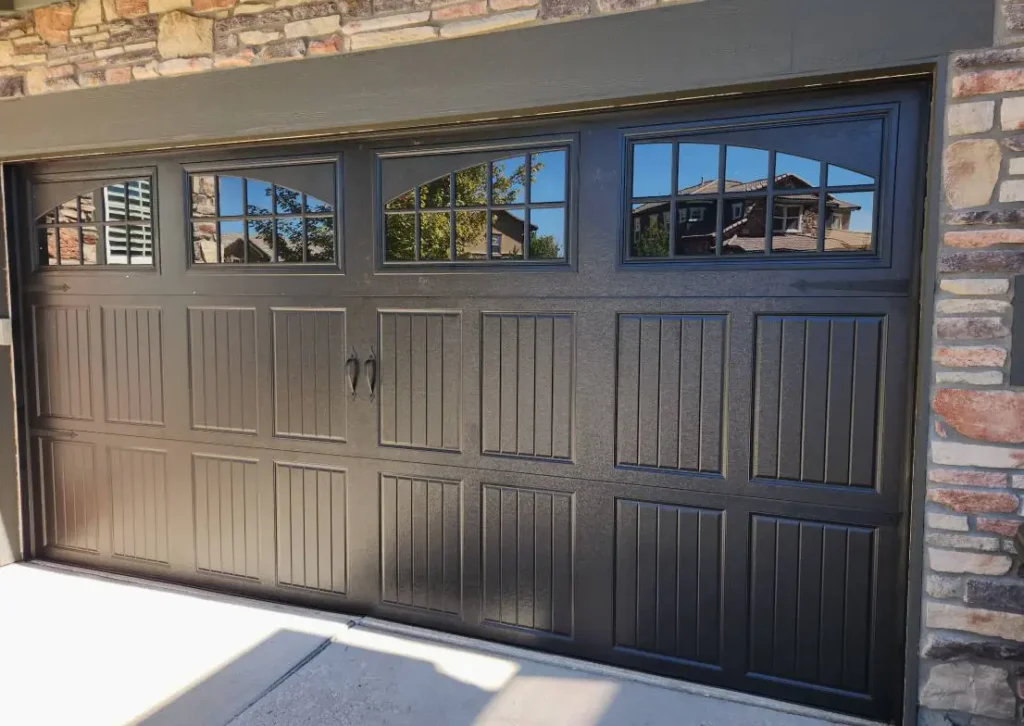
Door Closing Problems
Garage Door Sensor Repair in Arlington, VA
Call (571) 747-1469 for garage door sensor repair in Arlington, where garage door repairs start at $69. We offer 24/7 service and a free on-site estimate to check sensors when your door refuses to close or reverses.
- Licensed and insured
- 5-year warranty on repairs and installations
- No extra charge for nights or weekends
- We speak English and Spanish
Get a fast quote
Garage Door Sensor Repair in Arlington for Closing Problems
The door opens but refuses to close
An interrupted safety beam can prevent the opener from closing the door even when opening works normally. We check the sensor path, alignment and connections to determine whether the closing problem starts at the sensors.
The door reverses before reaching the floor
A closing door that reverses needs inspection because sensor trouble and mechanical resistance can produce similar symptoms. We check the safety sensor system alongside the door’s movement before deciding which repair addresses the problem.
A garage door sensor is flashing red
A red flashing light does not identify the same fault on every opener. We check the light pattern against the equipment’s diagnostic information, then inspect the beam, mounting position and wiring rather than replacing parts based on color alone.
Closing works only some of the time
A loose sensor bracket or damaged connection can interrupt operation as the door moves. We inspect for movement at the mounts and connections so an intermittent problem receives attention beyond a single successful closing cycle.
A sensor or its wire has visible damage
A bumped sensor, bent bracket or damaged wire can interrupt the safety circuit. Keep people and objects clear of the opening, and leave damaged components in place for inspection so we can trace the fault.
Sensor Repair Checks the Beam, Mounts and Wiring
- Safety beam inspection — We inspect the path between the sensors for obstructions and check the lens surfaces. A blocked or obscured beam needs a different correction from a failed electrical component.
- Sensor alignment — We check whether the sensors face each other and remain aligned at their mounting points. Adjusting position addresses a beam that cannot reliably reach the receiving sensor.
- Bracket and mounting checks — We inspect the supports that hold each sensor in position. A sensor adjustment will not stay useful if a loose or damaged mount lets it move again.
- Wire and connection inspection — We check accessible sensor wiring and its connections for damage or disconnection. Wiring repair addresses faults in the circuit rather than treating every interruption as a failed sensor.
- Opener diagnostic checks — We compare indicator behavior with the opener’s diagnostic information. This helps distinguish a sensor circuit problem from another opener fault that also prevents the door from closing.
- Sensor replacement when needed — We check compatibility before replacing a failed sensor. Replacement addresses damaged or failed components; alignment and wiring corrections address problems that do not require a new sensor.
- Closing and obstruction-response testing — After the repair, we test normal closing and the system’s response to an interrupted beam. Both checks matter because a door closing successfully does not establish that its safety sensors respond correctly.
Need help now? (571) 747-1469
From a Sensor Fault to a Tested Closing Cycle
- Call before forcing another closing attempt — Keep the doorway clear and stop repeatedly operating a door that reverses or moves unpredictably. Leave access to the sensors and opener clear for the technician, and keep the remote available so we can check the controls used during normal operation.
- Trace the interruption — We inspect the beam path, sensor positions, brackets and wiring, then check the opener’s indicators. The inspection separates a sensor alignment problem from damaged components or another fault affecting door operation.
- Set the repair scope before replacing parts — We identify whether the job calls for alignment, wiring repair, sensor replacement or separate opener work. You receive the repair scope and price before that work begins, so a broader closing problem does not get treated as a sensor replacement by default.
- Test closing and sensor response — We run the door through its operating cycle and check the safety beam’s response after the repair. For intermittent symptoms, we also check whether sensor mounts or connections shift during movement instead of relying on one successful attempt.
What Determines Your Garage Door Sensor Repair Price?
Garage door repair starts at $69. The sensor repair total depends on the fault found, whether existing sensors can be realigned, whether wiring needs repair and whether replacement components are required. A closing problem involving both the sensors and the opener has a different scope from a sensor position adjustment.
The technician visit and on-site estimate are free. We inspect the installed equipment before pricing the work, so you can compare the proposed repair with the actual condition of the system. Use our contact page to request a free quote for your home or business.
Need help now? (571) 747-1469
Sensor Repair Supported by Broader Garage Door Experience
Nathaniel Mercer, the owner of VA Garage Door Repairs, has 22 years of experience in garage door repair and installation. Our residential garage door repair services cover sensors, wiring, openers and door hardware, allowing the inspection to follow the cause of a closing problem across those components. We come to your home or business in Arlington and throughout our Northern Virginia and Washington, DC service area. Your repair includes a 5-year warranty on repairs and installations.
Garage Door Sensor Repair near you
Local pages for garage door sensor repair in the cities we serve:
Guides on garage door sensor repair
Frequently asked questions
Why won’t my Arlington garage door close when the sensors look aligned?
Sensors can appear aligned while a dirty lens, loose connection or damaged wire interrupts the beam signal. An opener fault or resistance in the door can also prevent closing. We check the sensor circuit and door operation to distinguish those causes before replacing components.
Does a flashing red sensor light mean I need new sensors?
A flashing red light alone does not establish that a sensor has failed. Indicator meanings depend on the installed equipment, and an obstruction, alignment issue or wiring fault can affect the signal. We use the equipment’s diagnostic information and physical inspection to determine the repair.
Can you fix a garage door sensor in Arlington without replacing it?
We can correct sensor alignment and repair wiring when those are the source of the problem. A damaged or failed sensor requires a different approach from a sensor that has simply moved out of position. We inspect the existing components before deciding whether replacement is necessary.
Can I keep using my opener while a garage door sensor is not working?
Stop automatic operation until the fault is checked, and keep the opening clear of people and objects. Do not bypass the sensors to make the door close. If the door is stuck partly open, leave it in place rather than forcing it through the rest of its travel.
Does garage door safety sensor repair in Arlington include wiring problems?
We inspect sensor wiring and connections as part of tracing the fault, and we offer garage door wiring repair. A damaged connection can interrupt the signal even when both sensor housings look intact. The inspection determines whether the problem involves the wire, a connection or a sensor component.
Can you repair sensors on a commercial garage door in Arlington?
We offer commercial garage door repair and sensor repair at the business location. We inspect the installed safety equipment and its connection to the opener before setting the repair scope. Keep the affected opening clear of vehicles, equipment and foot traffic while the door is malfunctioning.
Arrange Your Garage Door Sensor Inspection
Call (571) 747-1469. Keep the doorway clear and leave damaged sensors or wiring in place for the technician to inspect.